The Role of Drywall in Creating Durable and Attractive Walls
Drywall plays a crucial role in building strong and appealing walls in modern construction. It’s known for its ability to reinforce wall structures while offering a smooth surface ready for decoration. This material is popular not only for its functional benefits but also for its aesthetic value. Whether you’re remodeling your home or constructing a new building, understanding drywall’s impact can help you make informed decisions about your wall finishes.
Understanding the Basics of Drywall
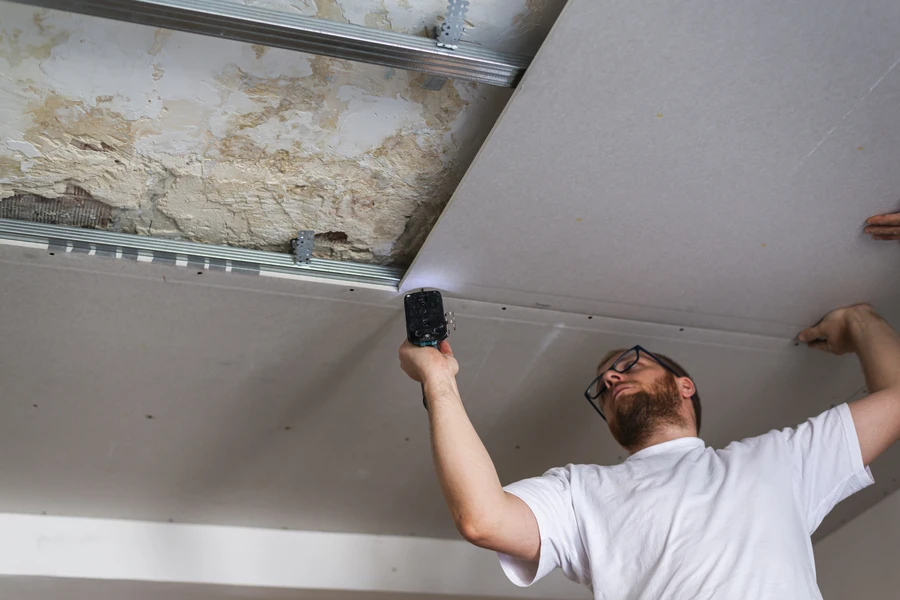
Drywall is a construction material made from gypsum plaster sandwiched between two thick sheets of paper. It’s used to create interior walls and ceilings with ease. Unlike traditional plaster, drywall offers quicker installation and repair times, which makes it a preferred choice among builders. Drywall installation involves attaching the panels to wooden studs or metal frames, followed by finishing processes like taping and sanding to create a seamless look.
Benefits of Using Drywall
Drywall provides several advantages that enhance both the strength and appearance of walls. Firstly, it’s fire-resistant due to the water present in gypsum, which slows down heat transfer. This adds a level of safety to buildings. Secondly, drywall improves sound insulation, providing a quieter indoor environment. Thirdly, it offers a smooth finish that accommodates various paint colors and textures, allowing homeowners to achieve any desired aesthetic.
Common Challenges With Drywall
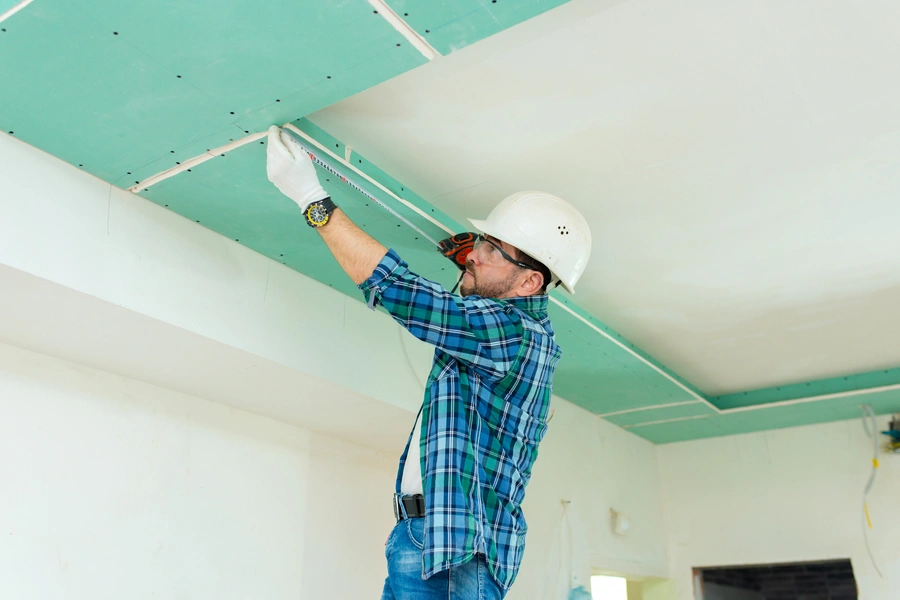
Despite its many advantages, drywall does pose some challenges. One major issue is susceptibility to moisture damage, especially in areas prone to high humidity. Moisture can cause the drywall to warp or develop mold if not properly sealed. Another challenge is that drywall can crack or dent from impacts, necessitating repairs over time. Proper installation techniques and high-quality materials are crucial to minimizing these problems.
Effective Solutions for Common Drywall Problems
Tackling common drywall issues involves proactive steps during installation and maintenance. Here are some solutions:
- Use moisture-resistant drywall in bathrooms and kitchens to prevent damage.
- Regularly inspect and repaint surfaces to keep them sealed against elements.
- Ensure proper ventilation in humid areas to reduce moisture build-up.
Best Practices in Drywall Use
To get the most out of your drywall, consider these best practices:
- Select the right type of drywall for each room based on moisture levels and use.
- Hire experienced professionals to ensure precise cuts and installations.
- Regularly check for signs of wear and repair any damage promptly to maintain integrity.
Cost Considerations for Drywall Projects
The cost of using drywall depends on several factors including the size of the project, type of drywall used, and labor charges. While initial costs may seem higher than some alternatives, drywall often proves more economical in the long run due to its durability and minimal maintenance needs. Investing in quality materials and skilled installation ensures you maximize your return on investment.
Final Thoughts on Enhancing Wall Quality With Drywall
Your choice of wall materials significantly affects both the strength and appearance of your building. By choosing drywall, you benefit from its robust nature and attractive finish. For expert advice and professional services, contact US Home Repairs at (725) 337-0020. Based in Las Vegas, NV, we specialize in enhancing your space with top-quality drywall installations.